

What Is Adenomyosis
What is Adenomysosis?
Adenomyosis is characterised by the presence and invasion of endometrial glands and storm that migrate into the muscle layer of the myometrium. The myometrium is the muscle layer of the uterus. The myometrium is composed of smooth muscle and is hormone sensitive (even more so during pregnancy – for labour).
When you have the presence of diseased tissue that continues to grow and follows fluctuations of the menstrual cycle (adenomyosis tissue is estrogen sensitive and progesterone resistant), thickening then breaking down to release a bleed over time causes destruction to the normal shape and architecture of the uterus.
The description of the uterus is often described in transvaginal ultrasounds as “BULKY or ENLARGED uterus”.
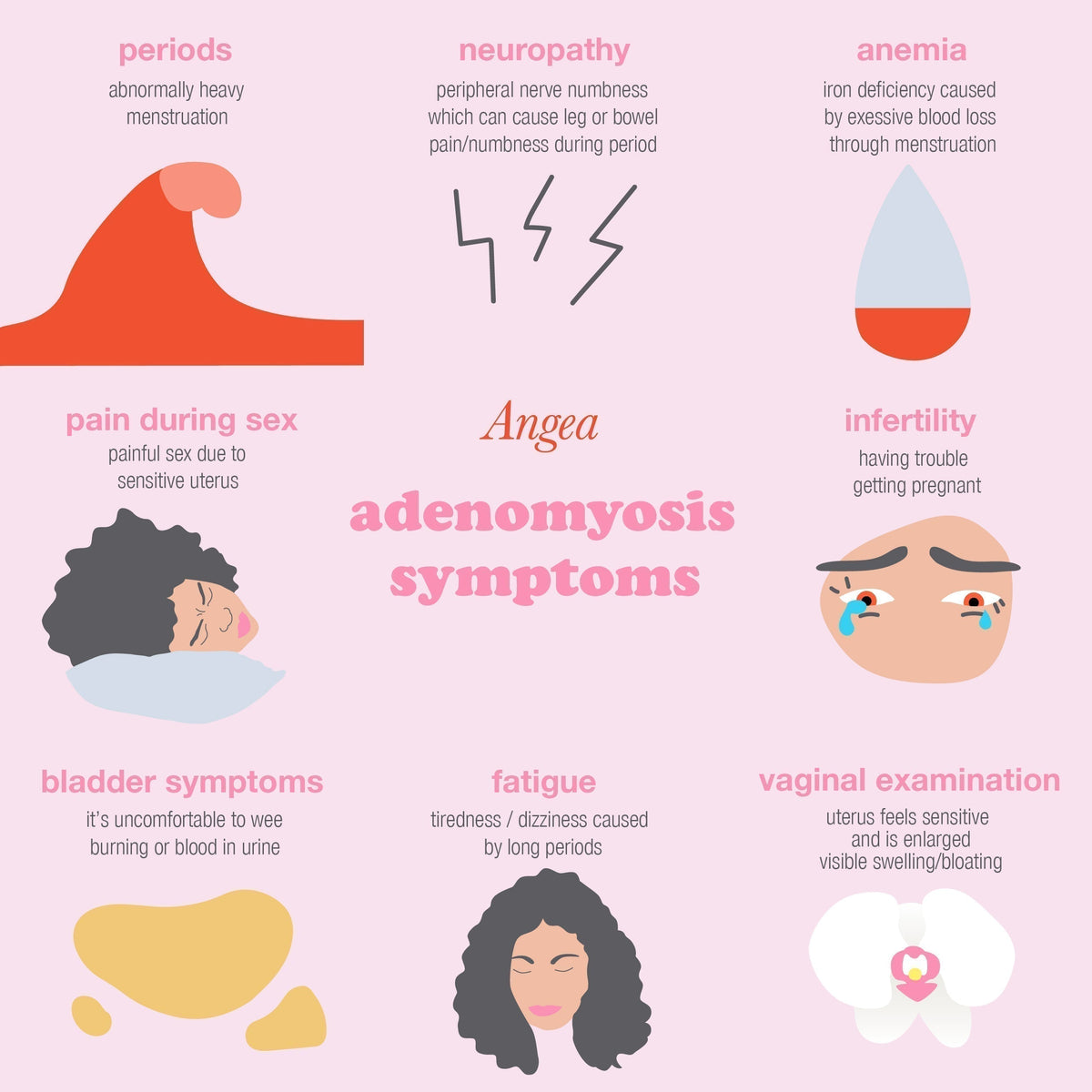
Symptoms of Adenomysosis.
Adenomyosis like endometriosis has a tremendous impact on the quality of the individual’s life causing many menstrual issues such as:
➕ Cramping – Severe menstrual cramps
➕ Dysmenorrhea (painful periods)
➕ Menorrhagia (heavy periods)
➕ Miscarriages
➕ Infertility
➕ Pre-term birth
➕ Bloating (distended abdomen), Swelling
➕ Irregular bowel movements
➕ Pelvic Pain
➕ Pain during intercourse
➕ Nausea, mood swings, fatigue
➕ Infertility
➕ Neuropathy
➕ Anemia
For many menstruators diagnosed with Adenomyosis the choice of treatment was traditionally a hysterectomy. For young people who still wish to start a family, this is often a drastic option.
A recent statistics indicated that 42% of women diagnosed with endometriosis also had adenomyosis. In my case, I was initially diagnosed with adeno via a trans-abdominal ultrasound. Under going laparoscopic surgery, it was found that I had stage 4 endo.
Have you been diagnosed with adenomyosis, what were your symptoms?
What Causes Adenomyosis?
The exact cause of adenomyosis isn't fully understood, but researchers have proposed several theories. One suggests that endometrial tissue invades the myometrium directly following uterine trauma, such as childbirth, caesarean section, or other uterine surgery, which may disrupt the natural barrier between the endometrium and myometrium. Another theory points to developmental origins, where endometrial tissue is present in the uterine muscle from early in life and becomes activated by hormonal changes at puberty.
Adenomyosis is also thought to share some underlying mechanisms with endometriosis, particularly around estrogen sensitivity and chronic inflammation, which may explain why the two conditions so frequently occur together. It tends to be more common in people who have had children and are in their 40s, though it can affect younger people and those who haven't given birth as well.
How Is Adenomyosis Diagnosed?
Adenomyosis can be tricky to diagnose because its symptoms overlap significantly with other conditions like endometriosis and fibroids. Diagnosis typically involves:
-
Transvaginal ultrasound – often the first-line imaging tool, which can reveal a bulky or enlarged uterus, thickened myometrium, or characteristic cystic areas
-
MRI (magnetic resonance imaging) – provides more detailed imaging and can help distinguish adenomyosis from fibroids or other uterine abnormalities
-
Clinical history – your symptoms, menstrual pattern, and pain history all help guide diagnosis
-
Histological confirmation – historically, adenomyosis could only be definitively confirmed after a hysterectomy, though improved imaging now allows many cases to be diagnosed without surgery
Because adenomyosis and endometriosis so commonly co-exist, a diagnosis of one doesn't rule out the other — as reflected in the statistic above, and as many people, myself included, discover through their own diagnostic journey.
Treatment Options for Adenomyosis
While hysterectomy has historically been considered the definitive treatment, it isn't the only option, and for many people — particularly those who want to preserve fertility — it isn't the right choice. Depending on symptom severity and personal goals, treatment options may include:
-
Hormonal therapies – such as the combined oral contraceptive pill, progestin-only therapies, or a hormonal IUD, which can help reduce bleeding and pain by suppressing the menstrual cycle
-
GnRH agonists – medications that temporarily induce a menopause-like state to shrink adenomyotic tissue, typically used short-term
-
Pain management – including anti-inflammatory medications and complementary therapies such as acupuncture, which some people find helpful for managing pelvic pain
-
Uterine-sparing surgery – in select cases, surgical removal of adenomyotic tissue may be possible while preserving the uterus
-
Lifestyle and holistic support – anti-inflammatory nutrition, pelvic floor physiotherapy, and stress management are often used alongside medical treatment to support overall symptom management
The right approach depends entirely on individual circumstances, including age, symptom severity, and whether future fertility is a priority. This is a conversation best had with a gynaecologist or specialist experienced in adenomyosis and endometriosis care.
Frequently Asked Questions
Can adenomyosis affect fertility? Yes, adenomyosis has been associated with reduced fertility and higher rates of miscarriage and pre-term birth, though many people with adenomyosis do go on to conceive, particularly with appropriate management and support.
Is adenomyosis the same as endometriosis? No, though the two are related. Endometriosis involves endometrial-like tissue growing outside the uterus, while adenomyosis involves this tissue growing into the muscular wall of the uterus itself. They frequently occur together, as reflected in the statistics above.
Does adenomyosis go away after menopause? Since adenomyosis is estrogen-sensitive, symptoms often improve significantly after menopause when estrogen levels naturally decline.
Do I need a hysterectomy if I'm diagnosed with adenomyosis? Not necessarily. While hysterectomy remains an option for some, particularly those who have completed their family or have severe symptoms unresponsive to other treatments, many people manage adenomyosis successfully with hormonal therapy, pain management, and other uterine-sparing approaches.
If you suspect you may have adenomyosis, or you're navigating a recent diagnosis, we always recommend speaking with your GP or a gynaecologist who can guide you through appropriate testing and a treatment plan tailored to your individual needs.
You're Not Alone
Living with adenomyosis, whether alongside endometriosis or on its own, can feel isolating, particularly when symptoms are dismissed as "just bad periods." Chronic pain, heavy bleeding, and fertility concerns take a real toll — physically, emotionally, and mentally. Connecting with others who understand what you're going through, whether through support communities, forums, or conversations like this one, can make a meaningful difference in how supported you feel on the journey.
If you've been diagnosed with adenomyosis, we'd genuinely love to hear from you. Share your symptoms, your diagnosis journey, or what's helped you manage day to day — your experience might be exactly what someone else needs to read today.

Amanda is the founder of Angea and has over 12 years of experience working with women to support their health journey. In addition to being a registered doctor of Chinese medicine, Amanda is a yoga teacher and founder of Mindful Pregnancy Yoga Training. Amanda offers acupuncture, Chinese herbal medicine and womb healing treatments at Angea.